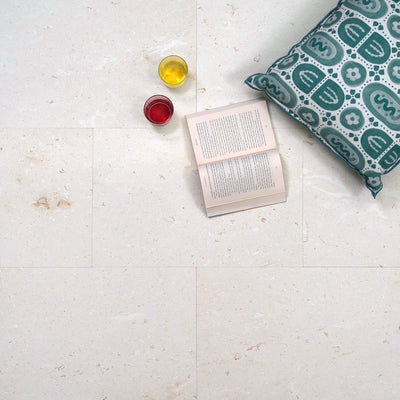
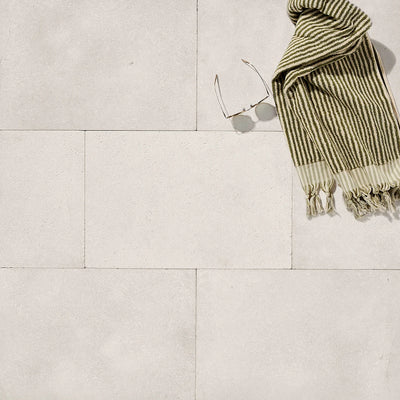
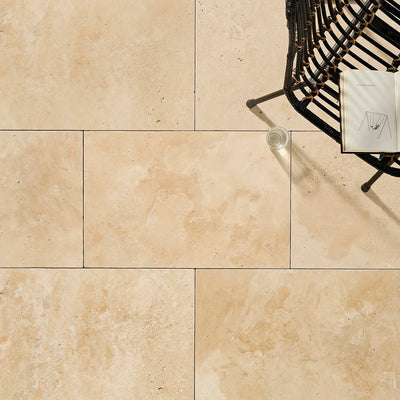
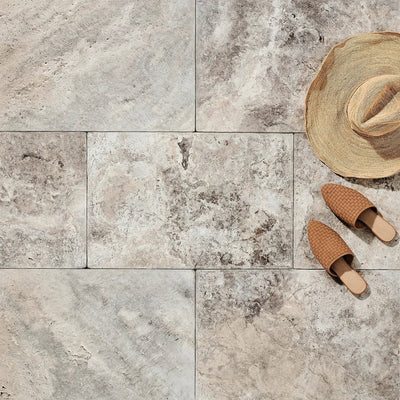


Best Selling Products
Discover these curated range features the latest trends and timeless favourites, to help you find the perfect stone to transform your space.
Shop by Collection
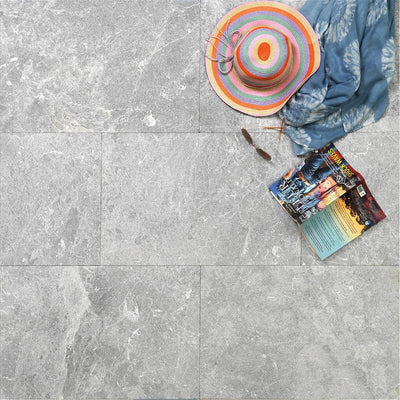
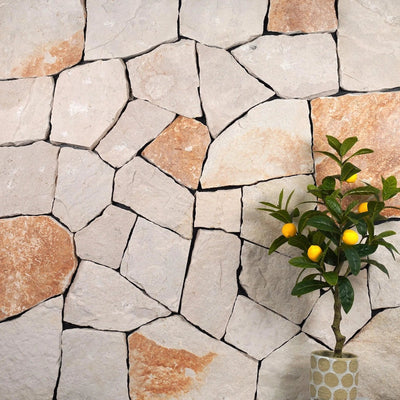
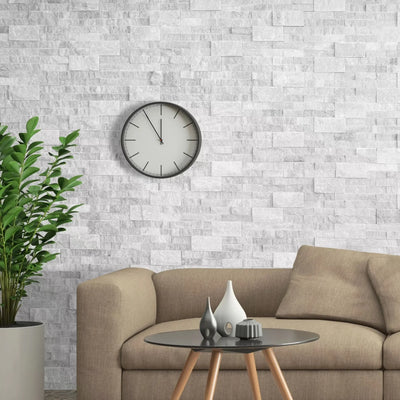
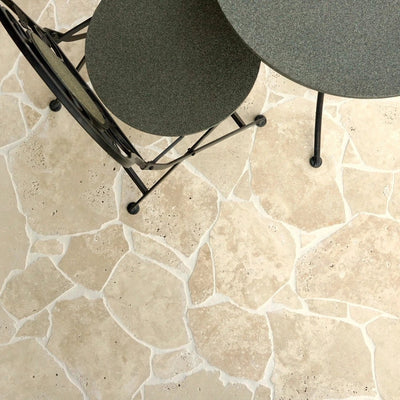
Transform your indoors and outdoors with Stone Centre’s exquisitely crafted natural stone product range to complement Australian architectural design needs, perfect for both residential and commercial spaces. Choose from an expansive range of offerings like outdoor pavers & tiles, crazy pavers, cobblestones, indoor tiles, steppers, wall cladding, pool tiles and more!

About Us
Stone Centre is an all-in-one place where beautifully designed places begin. We offer Australia’s largest selection of premium quality natural stones, including outdoor tiles, pavers & copings, cobblestones, stepping stones, walling and more. From patios, courtyards, walkways and swimming pools to a lavish outdoor oasis, Stone Centre will add that touch of class and exactly the right character for the setting.
Recent Posts
Learn how to upgrade your indoor and outdoor space with easy ideas and advice from our blog.
Combustion Fireplace Vs. Normal Fireplace: What’s the Difference?
There is something about a fireplace that instantly changes the mood of a home. The soft crackling sound, warm glow and cosy atmosphere can make even the coldest winter evening feel relaxing. But whenever you are planning a fireplace, one question always comes up. Should you go for a combustion fireplace or a traditional open fireplace? At first glance, both may seem similar because they use firewood and create warmth. But the way they heat, how much maintenance they need, even the overall feel they create can be relatively different. And choosing the wrong one can affect not just your comfort but also how practical your space feels during winter. Some homeowners prefer maximum warmth, while others love the ambience and aesthetics. The right choice depends on how a space actually feels. Let’s understand both one by one. What Is a Combustion Fireplace? A combustion fireplace is a closed wood heater designed to burn wood more efficiently. The fire burns inside a sealed firebox with controlled airflow, helping trap and circulate heat throughout the room. From a design perspective, a combustion fireplace works beautifully in modern Australian homes because they feel cleaner and give a more architectural feel. The overall look gives a refined feel. For a more holistic look, many homeowners extend similar materials to their walls to create a statement. It is such a smart way to add beauty and functionality. Wall cladding stone works beautifully, whether indoors or outdoors. You can also use them around patio or alfresco areas to create a seamless indoor-outdoor connection. You will often see combustion fireplaces styled with: Minimal timber mantels Statement wall cladding Neutral earthy palettes Open-plan living layouts Floor-to-ceiling windows What Is a Traditional Open Fireplace? A normal fireplace usually refers to a traditional open fireplace with exposed flames and an open chimney cavity. This style is all about atmosphere. The visible firewood and soft crackle sounds give a more relaxed feel with a bit of nostalgia. Design-wise, open fireplaces often become the emotional center of the home rather than just a heating source. If you are planning to add an open fireplace, then using natural stone, warm timber beams and soft lighting is a perfect way to create a cosy atmosphere during winter. They suit spaces that feel: Rustic Coastal Farmhouse-inspired Traditional Organic and layered Which Fireplace Looks Better in Modern Homes? This honestly depends on the type of aesthetic you are trying to create. If your home features clean lines and minimal styling, combustion fireplaces usually fit more naturally into the design. Their sleek structure feels more visually lighter and polished within modern interiors. On the other hand, traditional fireplaces bring softness and character into homes that feel relaxed and textured. They create that classic winter look that attracts the attention of the visitors. A lot of Aussie people now blend both modern and natural elements together. For example, a combustion fireplace surrounded by stone feels warm and organic. Fireplace Styling Makes a Huge Difference No matter which fireplace style you choose, the surrounding materials shape the final look just as much as the fireplace itself. If you are opting for natural textures, the space will feel warm with a cosy vibe. Stone timber, soft lighting and earthy tones all work together to create a balanced space. If you are opting for an outdoor fireplace in a way that the space flows seamlessly with indoor fireplace zones, helping the entire home feel more connected and cohesive. Features like stacked stone cladding adds beauty, texture and natural focal point that instantly enhances the cosy atmosphere. When you combine with warm lighting and earthy finishes, the space not only feel inviting but a perfect spot to relax and enjoy colder evenings. Which Fireplace Is Easier to Maintain? Combustion fireplaces are generally easier to maintain because they create less ash, less smoke and cleaner burning overall. Open fireplaces require more cleaning since ash and soot build faster. Smoke can also move to other rooms occasionally, depending on the performance of airflow and chimney. If you are looking for a fireplace that feels lower maintenance and more practical for everyday use, combustion systems tend to be an easier option. Final Thoughts Both combustion and traditional fireplaces bring something beautiful into a home. The real difference lies in the kind of atmosphere you want to create. If you are looking for strong heating performance, modern styling and an efficient system, then a combustion fireplace is often the better fit. If you are drawn to ambience, visible flames and a relaxed feel, then a traditional fireplace may be best suited for your space. And when you pair the fireplace with natural textures and lighting, then you create a home that feels cosy and beautifully connected to the Australian lifestyle.
Read more6 Types of Flooring for Modern Aussie Homes
You know that moment when you step into your house after a long, humid day and instantly kick off your shoes? That first touch of the floor, whether it is too warm, nicely cool, slightly rough or super smooth flooring, you notice it without even thinking. And then there are late-night moments, when someone walks across the room and the whole space stays quiet until a sudden creak breaks the silence. That’s flooring doing its thing. It’s not just something you walk on but also it quietly decides how comfortable, practical and easy your everyday life at home actually feels. In many Australian homes, the challenges are real heat, dust, indoor-outdoor living and the need for materials that can handle all types of weather without the need for constant upkeep. After all, nowadays flooring is not just about style; it’s about finding something that works with your lifestyle climate and long-term use. Let’s break down some of the most popular flooring options to help you understand what can suit your space best. Choosing the Right Flooring for Modern Homes With changing weather, indoor & outdoor living and everyday wear, flooring in Australian homes needs to strike the right balance between style and functional use. Understanding your options better helps you decide the right fit for your space. 1. Natural Stone Flooring When people talk about long-lasting, nature-inspired spaces, natural stones often come up. Whether it’s Sandstone outdoor tiles for alfresco, Travertine floor tiles for pathways or Limestone flooring for patio, these materials bring a natural feel to your space. For homeowners looking for a natural touch for their homes, natural stone is one of the most popular choices. Among the many types of flooring, natural stone stands out for its organic variation and ability to age with character that’s hard to beat. 2. Bamboo Flooring If you like the idea of a clean, airy home, bamboo flooring often fits right in. It has a soft, natural feel that reflects light beautifully, making your space feel more open and relaxed. It’s commonly chosen for living areas and bedrooms where you want a warm look without putting in too much effort. In Australian conditions, it’s worth ensuring proper sealing and installation as changing weather and humidity can affect the flooring condition. 3. Laminate Flooring Laminate flooring is often considered when you want the look of timber without the same level of maintenance. It comes in a wide range of finishes such as oak-inspired tones to deeper, richer shades. It works well in busy households where durability matters. While it’s relatively easy to maintain, it’s important to avoid excess moisture, especially in areas like the kitchen or entryways. 4. Terrazzo Flooring Terrazzo has made a strong comeback in modern design. It’s that speckled surface made from the mix of marble, quartz or glass set in a smooth base. It’s best for modern homes where you want a balance of beauty and function without overwhelming the space. This material is known for its durability, making it a practical choice for indoor and outdoor spaces. 5. Glass Flooring Glass flooring is not something you see every day, it’s a modern, high-end design used for creating a striking effect. It allows light to pass through, making spaces feel brighter and more open. In most homes, it’s used as an accent rather than a full floor solution such as a feature panel or mezzanine(middle) detail. In this type of design style, safety and proper installation are important, whether it's a residential or a commercial space. 6. Hybrid Flooring Hybrid flooring combines the look of timber with a structure designed to handle moisture and wear effectively. It’s often chosen for its practicality in modern households. It’s a great choice for families where spills, pets or frequent foot traffic are common; this option often balances between style and function. Among newer types of flooring, hybrid solutions are common as they easily adapt to the environment and day-to-day lifestyle. How to Choose the Right Flooring for Your Space? Instead of chasing trends, it’s smarter to think about how your space is used. After all, flooring is supposed to support your everyday lifestyle, not complicate it. Do you need something low-maintenance for a busy household? Are you designing for indoor-outdoor flow? Do you prefer a warm, cosy feel or a cool, minimal look? Final Thoughts The right flooring isn't just a piece of wood, stone or any other material. It plays a major role in how your space looks, feels, shaping the overall experience of your home. Whether you prefer something natural and textured or sleek and modern, the goal is to choose a surface that works for your surroundings in the background while enhancing everything around it. FAQs Q.1 What are the most popular types of flooring in Australia? Ans- Some commonly used options include timber look flooring, natural stone, laminate and hybrid due to their ease of use and adaptability to Australian climates. Q.2 Which flooring is best for hot weather? Ans- Materials like light-coloured natural stones tend to look more soothing to the eyes and also feel cool underfoot as compared to other man-made materials, making them suitable for warmer regions. Q.3 Can I use the same flooring indoors and outdoors? Ans- Certain materials like natural stones can create a seamless transition; however, it is important that you pick the right finish according to your space requirements.
Read moreHow to Lay Stepping Stones in 7 Easy Steps
No one really pays attention to it until it becomes a problem that can no longer be avoided. Well, that’s just human nature. Isn't the same thing happening with your garden? No one thinks twice about the garden path until one stone shifts underfoot, the grass turns into a muddy mess after rain and suddenly every step feels calculated instead of effortless. What should quietly guide you through your space ends up demanding your attention. The truth is, most stepping stone paths don’t fail because of the stones, they fail because of what’s underneath them. It’s important to get the foundation right and that changes everything. The path feels solid, natural and almost invisible in the way it guides you. And the best part? You don’t need a professional crew or complicated tools to achieve it. Just follow the guidelines as needed. Why Stepping Stones Paths Often Fail Before we get into the steps, here is where most people make mistakes: Placing stones straight onto grass Skipping the base layer to save time and starting with the installation Guessing spacing instead of measuring Not digging deep enough Using low-quality materials Everything may look fine on day one but give it a few weeks especially after rain and stones start shifting, tilting and becoming a tripping hazard. The difference between a path that lasts a few months and one that lasts for years is always the preparation. Things Required for Laying Stepping Stones High-quality Stepping stones Wheelbarrow Cement Brickies Sand A leveler Safety gear (gloves, glasses & mask ) Measuring equipment String line Mallet Spade Hammer Spray paint Step-by-Step Guide for Stepping Stone Installation It’s important that you follow each step carefully and pay attention to the small details as they can make a big difference later if ignored. Step 1: Choose Stones that Feel Right for your Space Not all Stepping stones work the same way in every garden. Start by thinking about: How often will the path be used What will be the weather conditions (rain, heat, shade) The overall look of your space Natural stone such as Limestone stepping stones is often a better long-term choice as they offer: Better grip underfoot More durability in changing weather A natural look that improves over time Ensure to choose the suitable size around 300-500mm wide. Anything smaller can feel unstable especially on frequently used paths. Tip: Try to match your stone’s tone with existing elements - soil, plants or outdoor features so the path feels integrated, not added as an afterthought. Step 2: Map the Path and Walk it First This may seem simple but it makes a huge difference. Lay your stones on the ground without fixing them and then walk the path multiple times. Ask yourself these questions: Does the spacing feel natural? Are you adjusting your stride? Does the path flow easily? A general guide is 500-600mm spacing between stones but your natural walking rhythm matters more than exact measurements. If it doesn’t feel right now, it won’t feel right later. Step 3: Mark Clearly and Prepare the Ground Once your layout feels comfortable, mark each step stone’s position and begin preparing the ground. You can use a string line for proper alignment. To prepare the ground for each stone: Dig 50–100mm deeper than the stone’s thickness Remove all grass, roots and loose soil Compact the base lightly This step is important because anything left underneath will settle over time, causing stones to shift or sink. The aim is to create a stable foundation, not just to make space for the stone. Step 4: Build a Strong Base Layer A strong base is what keeps your path stable for years. Add a 50mm layer of crusher dust, paver sand or road base into each hole and compact it firmly. (For mortar, the mix ratio is generally five parts sand to one part cement.) This layer: Distributes weight evenly Prevents stones from shifting Improves drainage For thinner stones (around 30mm or less), consider using a mortar bed for added stability. Skipping this step is the most common reason paths fail. Step 5: Place and Level Each Stone Now place each stone into position. Check: Side-to-side level Front-to-back level Alignment with the overall path Use a rubber mallet to gently tap the stone into place. It is important to set the stone slightly above ground level, not below. This helps prevent water from pooling around it and reduces long-term movement. Step 6 Fill the Gaps Around the Step Stone Once all stones are placed and level, fill the surrounding gaps to lock them in. You can use: Brickies sand left out around the surrounding for a clean and simple finish Add gravel or pebbles for better drainage and contrast Soil or mulch for a softer, natural look If needed, water the area lightly to help the material settle. Later, you can add low-growing groundcovers between stones to give a more natural feel to the space. Step 7: Seal and Maintain for Long-Term Results If you’ve used natural stone, applying a sealer helps protect against: Stains Weather damage Surface wear Maintenance is minimal but important: Check occasionally for loose stones Re-level if needed Top up filler material over time A properly installed path won’t need frequent fixing but small checks help it stay in great condition. What You Get When You Do It Right When everything is done properly, the difference is immediate. A path that feels solid underfoot No mud or mess after rain Smooth, natural movement through your garden A clean, finished look that lasts It’s one of those upgrades that quietly improves your space every single day without demanding attention. Conclusion Laying Stepping stones isn’t complicated but it does require doing the basics properly. It is important that you focus on the key aspects such as correct spacing, a solid base and proper ground preparation. Take your time with the process and you will end up with a path that not only looks good but also lasts long. Because at the end, a good garden path isn't just about placement but also about the comfort and aesthetics. FAQs Q.1 How far apart should Stepping Stones be placed? Ans- Stepping stones are typically spaced 500-600mm apart to match a natural walking rhythm. However, you can adjust them according to your comfort. Q.2 Do I need a base under Stepping Stones? Ans- Yes, a proper base is essential. A 50mm layer of sand, crusher dust or road base helps keep the stones in level, prevents sinking and improves drainage, especially in heavy rain-prone areas. Q.3 Should Stepping Stones be level with the ground? Ans- Stepping stones should sit slightly above ground level, not below. This helps water drain away and prevents water pooling for effortless movement over time. Q.4 What is the best material for Stepping Stones? Ans- Natural stone such as Bluestone or Limestone is often the best choice due to durability, slip resistance and beauty. It also blends well with the outdoor spaces as compared to other man-made options.
Read more5 Timeless Vintage Bathroom Tile Designs You’ll Love
When it comes to picking a design or material for your home, it’s always confusing. When choosing indoor tiles for your bathroom, it’s easy to get caught up in trends. One year it’s bold in colour and the next it’s ultra-minimal concrete. But how about using something vintage and timeless? Vintage styles never truly go out of style. Imagine adding that vintage touch to your bathroom, where you refresh and start your day. Isn’t this intentional design, while keeping it functional? The beauty of using classic bathroom wall tiles is that they create a space that feels curated rather than just a temporary setup. If you want a bathroom that looks beautiful ten years from now, vintage-inspired tiles are a smart choice. Let’s not just dream about a beautiful and relaxing bathroom but create a space that is both practical and beautiful. Design Ideas to Spark Creativity These simple yet creative bathroom design ideas will transform your space. 1. Checkboard Floors Black and white tile designs are the checkerboard pattern that can never go out of style. It has been used in the home for centuries and still stands out. Why it works: The contrast of black and white is bold but perfectly balanced. It adds a sense of movement and personality without overwhelming the space. How to use it: Keep your Bathroom wall tiles simple, plain white subway tiles or soft neutral colours work best. To ensure safety, opt for matte indoor tiles, especially in wet areas. 2. Classic White Subway Tiles Subway tiles are a true vintage staple. Originally used in early 1900s subway stations, these tiles found their way into homes, admired for their clean lines and practical style. Why it works: They are structured, timeless and incredibly versatile. A perfect way to give your bathroom that fresh look that's needed. How to use it: If you want a heritage look, you can go with a brick pattern with darker grout. And to give that subtle modern twist, stack the tiles in a vertical pattern and they look clean. You can pair them with stainless steel or brass fixtures for that added charm. 3. Marble Tiles Marble tiles have long been associated with luxury and sophistication. It can instantly enhance any bathroom design. Why it works: The natural veining of the stone adds depth and softness, preventing the space from feeling flat or plain. It instantly catches the attention with its luxe surface. How to use it: Using Marble floor tiles on the floor and matching bathroom wall tiles creates a cohesive look. While keeping the cabinetry simple so that the stone remains the center of attraction. 4. Mosaic Tile Details Want that vintage vibe for your bathroom? What’s better than mosaic tiles? They have been used in bathrooms for centuries. The Romans used them to decorate homes and public baths, as they look sophisticated. Why it works: These small-format tiles create visual interest without needing bold colour. Mosaics add texture and craftsmanship to the space. How to use it: Consider using mosaic tiles in a shower niche, feature strip or on the floor instead of covering the whole room. This keeps the design elegant rather than busy. 5. Natural Stone with a Tumbled Edge For a softer and natural feel, natural stone indoor tiles like Limestone or Travertine are excellent choices. Go with the lighter tones for the soothing feel. Why it works: Slight imperfections, textured surfaces and warm tones create authenticity. Vintage spaces should not look overly polished; they should feel lived-in and timeless. How to use it: Pair tumbled edge stones Bathroom wall tiles with classic mirrors, traditional tapware and warm lighting to complete the look. How to Get the Vintage Look Right for the Bathroom? Vintage design is not just about copying the designs exactly. It’s about adding your personal touch to the modern bathroom design with a hint of classic elements. Here are some useful tips to create a vintage look: 1. Don’t Overdo Patterns Choose either a statement floor or a feature wall, not both. Too many patterns can make the space feel cluttered. 2. Focus on Quality Materials The charm of vintage bathrooms comes from small details and texture. The basin, fixtures, colour and other small details. However, the quality bathroom tiles with functional finishes make a noticeable difference. 3. Mix Old with New Pair vintage-style Bathroom wall tiles with modern vanities or lighting. This will keep your space feeling fresh, and good lighting can make a lot of difference. 4. Consider Maintenance Matte finishes are often more practical in bathrooms, as they show fewer water marks and smudges compared to polished surfaces. Final Thoughts Timeless vintage bathroom tile designs are a mix of beauty and functionality. Whether you love the classic checkerboard floors, marble floor tiles or mosaic details, the key is to balance. Choose designs that would complement your home’s character and invest in quality materials that will last long. Vintage-themed bathrooms look beautiful and feel welcoming, refined, and timeless when done thoughtfully.
Read more


